.png)
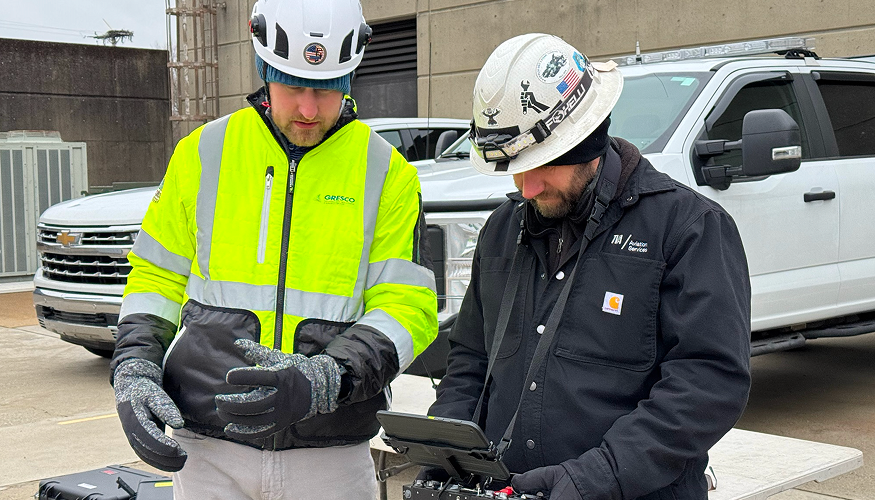
1. Start With a Strong Plan
Need internal buy-in? Consider starting here to gain traction.
We've helped utility professionals at every stage navigate these exact steps, so you don't have to figure it out alone. Whether preparing to fly or formalizing your UAS program, start here before you move forward:
Step 1: Create a compelling business case and pitch it to leadership and the departments that stand to benefit.
A strong business case defines:
• Program ownership
• High-impact use cases
• Hardware and payload aligned with mission requirements, as well as organizational procurement standards, ROI, and safety benefits
• Regulatory and procurement compliance systems, including National Defense Authorization Act (NDAA) eligibility, where applicable
• A one-to-five-year budget plan
Step 2: Engage the operations, engineering, vegetation, safety, and compliance teams.
In many organizations, flight operations and inspection analysis functions operate under separate leadership. Aviation teams focus on safety, airspace compliance, and mission execution, while inspection and analytics teams prioritize image quality, data consistency, and actionable outputs.
Early alignment between these groups prevents friction and supports long-term program adoption. Defining shared standards for data capture and reporting expectations helps align flight execution with inspection objectives.
Step 3: Identify internal “drone champions” to drive buy-in and to support training.
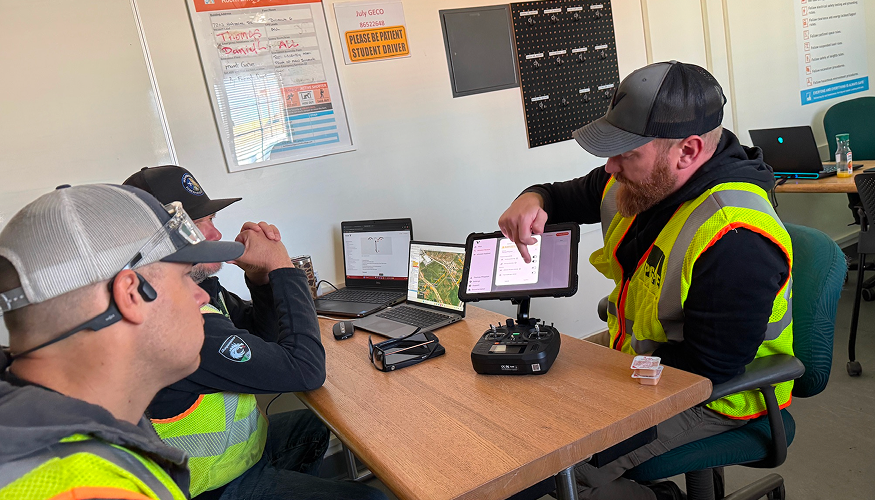
2. Organize for Scale
Already flying or just getting started? Use these lists to benchmark your SOPs and map your multi-year budget.
A sustainable UAS program takes more than hardware. Help your team stay mission-ready and prepared to scale by creating Standard Operating Procedures (SOPs) and a long-term budget.
Develop consistent, defensible SOPs addressing:
• Mission planning and flight approvals
• Emergency response and incident reporting
• Data retention and access control
• Pre-flight inspections and aircraft logs
• Pilot roles and documentation
• Airspace risk and mitigation protocols
Avoid downtime by budgeting for:
• Education (pilot certification, training, and refreshers)
• Hardware (redundant kits, sensors, replacements, and platform selection aligned with compliance and long-term support requirements)
• Software (flight logs, data workflows, and asset tracking)
• Repairs & Maintenance (parts, calibration, and service plans)
• Other Costs (insurance, personal protective equipment, and logistics for remote operations)
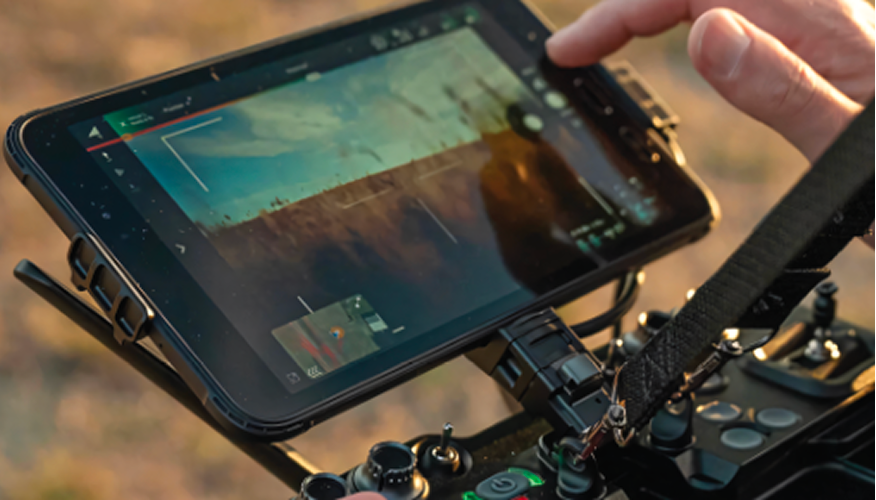
3. Build a Capable Flight Team
Consider this: Part 107 is a foundation, not a finish line.
FAA Part 107 certification is just one component of reliable drone operations. To support safe operations and reliable data capture, select pilots with the right skills and commitment and provide them with appropriate training.
When selecting pilots, look for:
• Technical aptitude and team support
• Commitment to training and program goals
• Hands-on hardware experience
• Real-world flight proficiency
• Workflow familiarity for mission-specific data
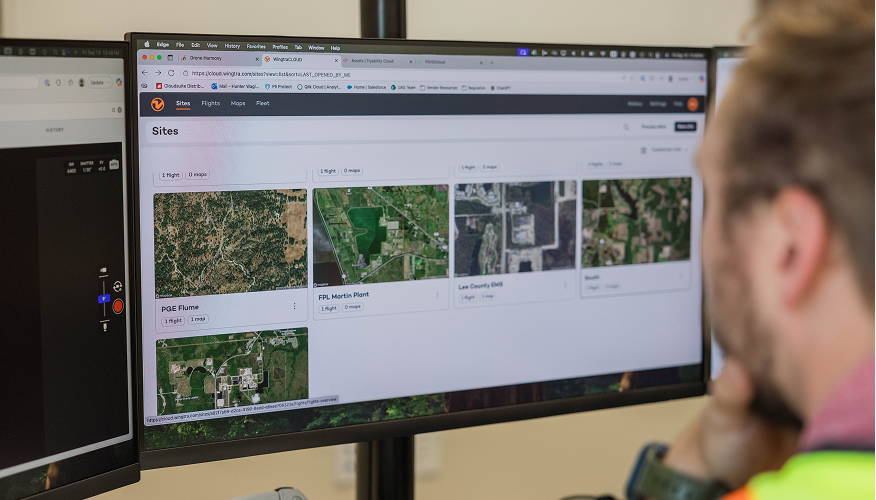
4. Streamline Asset Management
Bought gear but don’t know what’s next? Centralize it here.
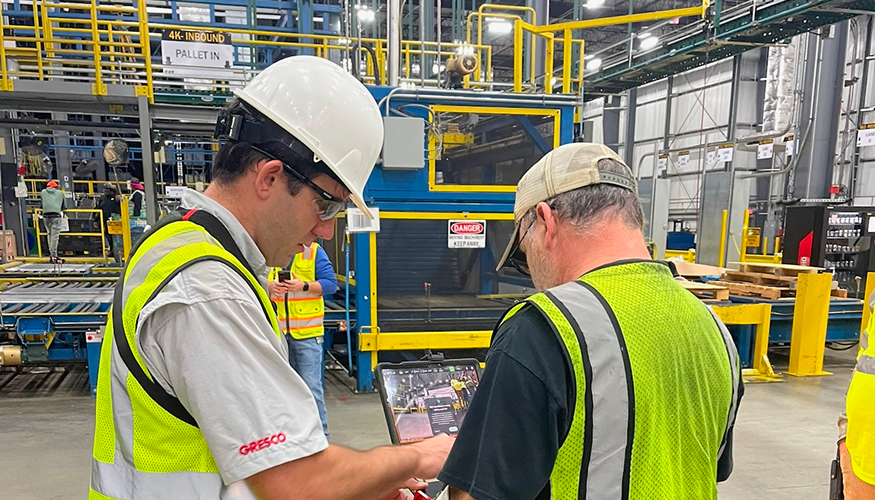
Visibility into a UAS program starts with your gear. Implement a centralized asset management platform to improve readiness, track value, and reduce surprises. At the same time, aligning data capture standards with inspection team requirements supports consistent imagery, metadata, and reporting outputs.
Choose an asset management platform that enables:
• Aircraft and battery health tracking
• Pilot logbook and credential integration
• FAA registration and compliance documentation
• Maintenance logs with alerts
• Warranty and service status tracking
5. Expand With Purpose
Need internal buy-in? Follow this approach to prove your program’s value.
Use early missions to build trust that sets the stage for intentional growth.
Implement this strategic growth strategy:
• Step 1: Start Small. Focus on one mission type (e.g., inspections or audits).
• Step 2: Show Impact. Convert early drone data into maps, models, or reports aligned with inspection and asset management requirements.
• Step 3: Refine & Expand. Use mission feedback to evolve SOPs and scale into new use cases.

6. Optimize Over Time
Running a program already? Use this framework to audit performance and refine operational maturity.
High-performing UAS programs require active management and refinement.
Sustain success through:
• Oversight of pilots, assets, and data
• Ongoing retraining and technology updates
• Expanded scope with new use cases
• Annual ROI and performance benchmarking
7. Validate Platform Fit
Before Full Deployment
Evaluating a new platform? Use this to structure your proof of concept before you commit.
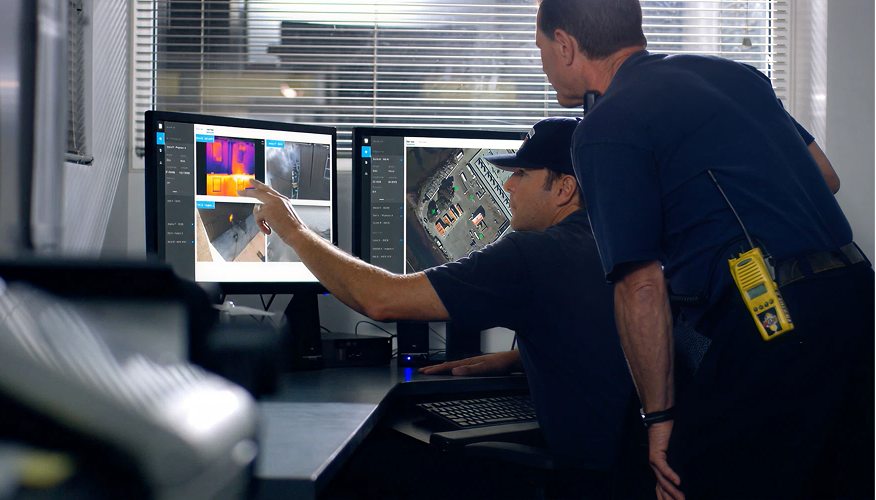
Selecting the right unmanned system requires more than reviewing specifications. Gresco UAS offers structured proof of concept engagements that evaluate platform performance, data outputs, and workflow compatibility within your operational environment.
Our structured evaluations include:
• Mission-based flight demonstration aligned to inspection objectives
• Data capture and review with stakeholders
• Workflow compatibility assessment
• Regulatory and airspace considerations review
• Operational readiness discussion
Frequently Asked Questions
Where should an organization start when developing a drone and robotics program?
What are the essentials of a strong drone and robotics program?
Every successful drone and robotics program includes:
- Program ownership with cross-functional visibility
- Defined use cases that demonstrate early value
- Standard operating procedures (SOPs) for flight planning, risk mitigation, and data management
- Trained and certified personnel to operate and support missions
- Long-term budget planning that accounts for training, software, and maintenance
Gresco UAS provides examples and guidance to help organizations build programs that are practical, scalable, and compliant.
How should organizations plan their long-term budget for a drone and robotics program?
What should be included in a drone and robotics program’s SOPs?
Your drone and robotics program SOPs should document how operations are conducted and verified, including:
- Flight planning and approval workflows
- Emergency response and incident reporting
- Data retention and sharing policies
- Maintenance logs and equipment checks
- Pilot roles, logs, and compliance documentation
- Airspace and operational risk assessments
Gresco UAS helps organizations develop consistent procedures that align with regulatory and internal safety standards.
How do utilities and cooperatives staff a drone and robotics program?
Can Gresco UAS help train or certify pilots?
Yes, Gresco UAS provides FAA Part 107 preparation, hands-on flight instruction, and hardware-specific training. We help customers verify flight proficiency, record credentials, and maintain operational consistency across pilots and departments.