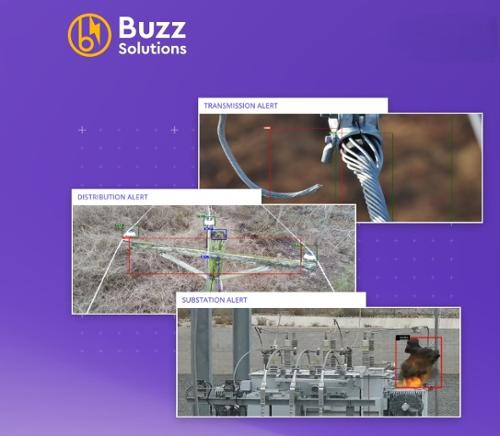
Buzz Solutions provides visual intelligence for inspecting, maintaining, and securing energy infrastructure by analyzing large volumes of visuals from UAVs, drones, helicopters, and ground cameras to detect anomalies, prioritize work, and integrate results into utility workflows. Their platform helps utilities reduce downtime and operational costs by converting imagery into structured insights that support inspection programs across transmission, distribution, and substation environments. These capabilities allow teams to more efficiently locate defects, streamline maintenance planning, and improve grid reliability through proactive identification of risks such as equipment failures and environmental hazards.
Buzz Solutions is focused on delivering accurate AI and predictive analytics that help utilities identify and mitigate hazards that could lead to wildfires, outages, or forced shutdowns. Their offerings also extend to 24/7 monitoring for substation security, safety, and high‑energy events through PowerGUARD. Together, these solutions enhance operational awareness, strengthen infrastructure protection, and support utility teams as they work to modernize inspection processes and maintain a stable, resilient grid.
| |
Optimize Your Processes with Industry‑Leading AI Precision
|
|
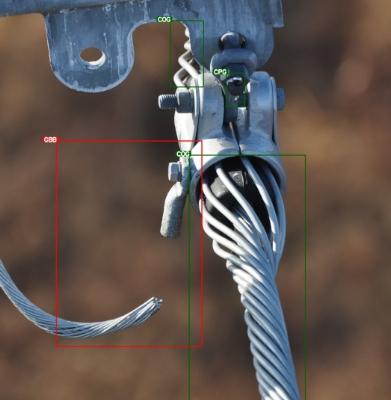
PowerAI 2.0 supports end‑to‑end visual inspection workflows by automating data ingestion from drones, helicopters, and ground cameras; identifying asset conditions such as defects on insulators, poles, towers, conductors, vegetation, and nests; mapping structures using geospatial metadata or ArcGIS; prioritizing issues by severity; and generating standardized reports that integrate directly with GIS, asset management, and work order systems.
PowerAI Basic offers a streamlined version for utilities with fewer than 50,000 images per year by centralizing visual data, supporting drag‑and‑drop uploads, enabling inspector review and tagging, and providing a structured path to scale into full PowerAI with AI detections and API integrations, while maintaining SOC 2 and ISO 27001‑aligned cloud security.
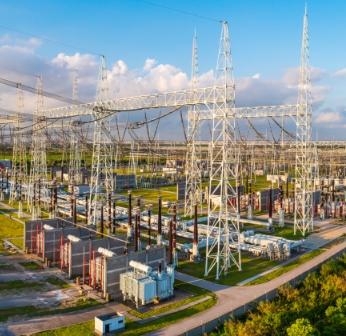
PowerGUARD extends coverage to substations by providing continuous monitoring with near real‑time alerts for security, safety, and equipment conditions, reducing manual inspections and truck rolls while supporting utility teams working to strengthen grid reliability and operational awareness.
|

PowerAI Features
-Broad image source support
-Fast data ingestion
-Automated structure mapping
-Accurate pre-trained AI detection models
-Human-in-the-loop review
-Reporting and integration
-SOC 2 Compliant
|
|

PowerAI Basic Features
-Broad image source support
-Fast data ingestion
-Automated structure mapping
-Tools to highlight defects
-Reporting
-SOC 2 Compliant
|
|

PowerGUARD Features
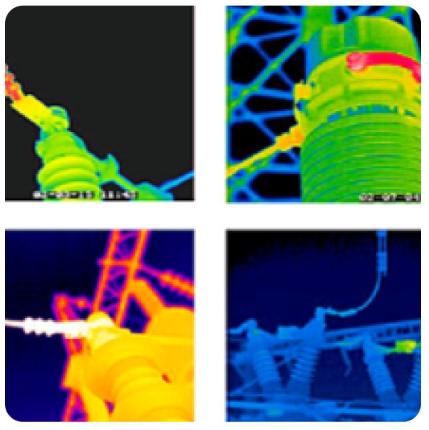
-Support for optical and thermal video from PTZ fixed cameras
-Accurate AI detections of security and safety events, plus equipment condition anomalies
-Alerts via email, text and software notifications
-Software interface to view and prioritize alerts
|
|
| |
Utility Workflows Transformed by Buzz Solutions’ AI‑Driven Inspection Platform
|
|
Transmission teams use the system to inventory assets, detect critical defects across insulators, conductors, steel structures, grounding components, and structural damage, and integrate findings into GIS, asset systems, and work order platforms for faster maintenance execution.
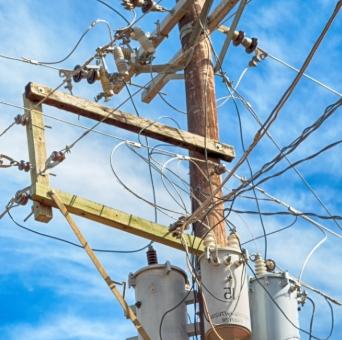
Distribution teams apply the platform for condition‑based maintenance and vegetation management during routine, prestorm, and poststorm workflows to maintain asset health and reduce outage risk.
Substation teams rely on continuous monitoring with near real‑time alerts to improve security, enhance equipment visibility, and reduce the need for manual surveillance.
Operations, project, and grid‑modernization teams use the software’s APIs and integrations to cut downtime, improve resilience, and streamline modernization workflows across utility environments.
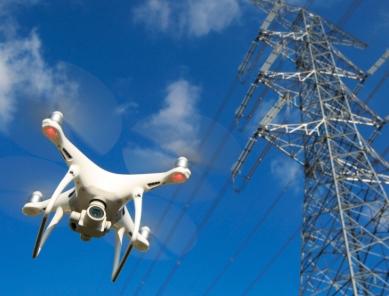
Aerial inspection programs scale faster by enabling efficient analysis, structured post‑inspection data management, and streamlined integration of drone, helicopter, and fixed‑wing imagery into existing utility systems.